
Irrigation Systems: Watering Solutions for Florida Landscapes
Florida's warm climate and diverse landscapes make it a paradise for gardeners and homeowners alike. However, maintaining lush gardens and vibrant lawns can be a challenge, especially during the dry season. This is where effective irrigation systems come into play. In this blog post, we will explore various irrigation solutions tailored for Florida landscapes, helping you choose the best option for your needs.
Understanding Florida's Climate and Water Needs
Florida is known for its subtropical climate, characterized by hot summers and mild winters. This climate can lead to periods of drought, making efficient water management essential for maintaining healthy landscapes. Here are some key points to consider:
Rainfall Patterns: Florida experiences a distinct wet and dry season. The wet season typically runs from May to October, while the dry season spans from November to April. Understanding these patterns can help you plan your irrigation schedule effectively.
Soil Types: Florida's soil varies widely, from sandy soils in the coastal regions to clay soils in the interior. Each soil type has different water retention capabilities, influencing your irrigation choices.
Plant Selection: Choosing native and drought-resistant plants can significantly reduce water needs. Florida has a rich variety of native plants that thrive in local conditions.
Types of Irrigation Systems
When it comes to irrigation systems, there are several options available, each with its own advantages and disadvantages. Here are the most common types:
1. Drip Irrigation
Drip irrigation is one of the most efficient watering methods available. It delivers water directly to the roots of plants through a network of tubing and emitters.
Advantages:
Water Efficiency: Reduces water waste by minimizing evaporation and runoff.
Targeted Watering: Provides water directly to the plant roots, promoting healthy growth.
Versatility: Suitable for various plant types, including vegetables, flowers, and shrubs.
Considerations:
Initial setup costs can be higher than other systems.
Requires regular maintenance to prevent clogs.
2. Sprinkler Systems
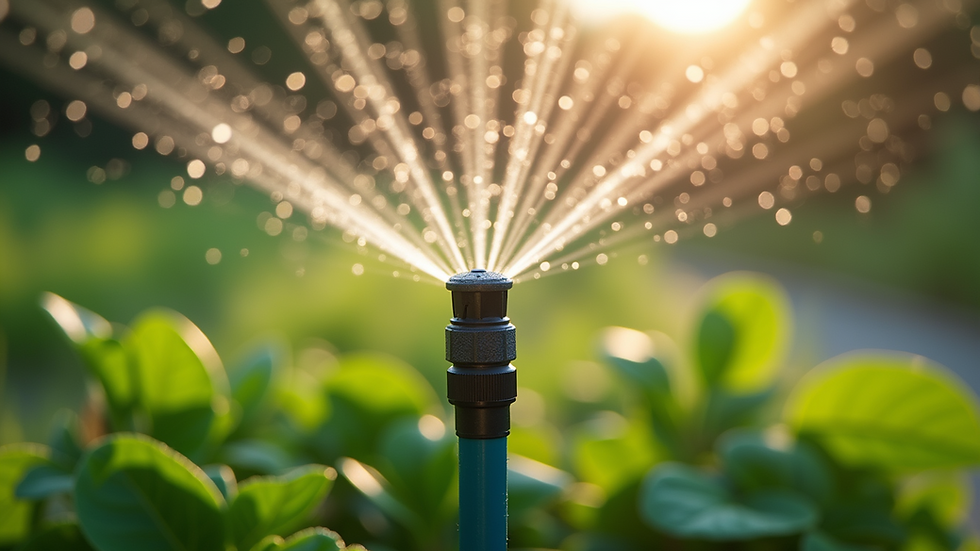
Sprinkler systems are a popular choice for larger lawns and gardens. They can cover a wide area and are available in various types, including stationary, oscillating, and rotating sprinklers.
Advantages:
Coverage: Can water large areas quickly and efficiently.
Flexibility: Adjustable settings allow for different watering needs.
Considerations:
Can lead to water waste due to evaporation and runoff.
May require more frequent adjustments during dry spells.
3. Soaker Hoses
Soaker hoses are porous hoses that allow water to seep out slowly along their length. They are laid out on the soil surface or buried under mulch.
Advantages:
Simplicity: Easy to install and use.
Water Conservation: Minimizes evaporation and directs water to the soil.
Considerations:
Less effective for larger areas.
May need to be moved or adjusted for different plant needs.
4. Smart Irrigation Systems
Smart irrigation systems use technology to optimize watering schedules based on weather conditions, soil moisture, and plant needs. These systems can be controlled remotely via smartphone apps.
Advantages:
Efficiency: Reduces water usage by adapting to real-time conditions.
Convenience: Remote control and monitoring make it easy to manage.
Considerations:
Higher initial investment.
Requires reliable internet access.
Choosing the Right System for Your Landscape
Selecting the right irrigation system depends on several factors, including the size of your landscape, the types of plants you have, and your budget. Here are some tips to help you make the best choice:
Assess Your Landscape: Take note of the size and layout of your garden. Larger areas may benefit from sprinkler systems, while smaller gardens might be better suited for drip irrigation.
Consider Plant Types: If you have a mix of plants, a combination of irrigation methods may be necessary. For example, use drip irrigation for vegetable gardens and sprinklers for lawns.
Evaluate Water Source: Ensure you have a reliable water source, whether it's a municipal supply, well water, or rainwater harvesting system.
Installation and Maintenance Tips
Once you've chosen an irrigation system, proper installation and maintenance are crucial for optimal performance.
Installation
Follow Manufacturer Instructions: Each system comes with specific installation guidelines. Adhering to these will ensure efficiency and longevity.
Plan Layout: Map out the layout of your irrigation system before installation. Consider the placement of plants, water sources, and any obstacles.
Test the System: After installation, run the system to check for leaks, clogs, or uneven watering.
Maintenance
Regular Inspections: Check for clogs, leaks, and other issues regularly. This will help prevent water waste and ensure your plants receive adequate moisture.
Seasonal Adjustments: Adjust watering schedules based on seasonal changes. During the rainy season, you may need to reduce watering frequency.
Winterization: In colder months, protect your irrigation system from freezing temperatures by draining water and insulating exposed pipes.
Water Conservation Practices
In addition to choosing the right irrigation system, implementing water conservation practices can further enhance your landscape's sustainability. Here are some effective strategies:
Mulching: Applying mulch around plants helps retain soil moisture and reduces evaporation.
Rainwater Harvesting: Collecting rainwater in barrels can provide an additional water source for irrigation.
Soil Testing: Regular soil testing can help you understand nutrient levels and moisture retention, allowing for better irrigation management.
Conclusion
Effective irrigation is essential for maintaining beautiful landscapes in Florida's unique climate. By understanding the various irrigation systems available and implementing best practices, you can ensure your garden thrives while conserving water. Whether you choose drip irrigation, sprinklers, or smart systems, the right solution will help you create a lush and sustainable outdoor space.
Take the time to assess your landscape, choose the appropriate system, and implement water conservation practices. Your garden will not only flourish but also contribute to a more sustainable Florida.


Comments